|
Daily Tech Briefing // Monday 06.15.2026
Tech Daily.
Your daily briefing on the stories that actually matter.
|
|
TODAY'S HEADLINE: The AI boom is quietly making your next laptop and phone more expensive.
|
|
Here is a tech story that will hit your wallet, even if you never touch an AI tool. The price of computer memory, the RAM and storage inside every laptop, phone, and game console, is spiking hard, and the cause is the AI boom. The same memory chips that make your devices work are being vacuumed up by AI data centers, and the squeeze is now showing up on price tags. Analysts have even coined a word for it: memflation. Here is what is happening, why it is different from past shortages, and what it means for your next upgrade.
|
Section 01
Your Next Device Just Got Pricier
|

|
|
The research firm Gartner projects that the combined price of memory and storage chips will jump about 130 percent by the end of 2026. In plain terms, that is expected to push the average price of a new PC up roughly 17 percent and a new smartphone up about 13 percent compared to last year. Gartner also expects fewer people to buy, with PC shipments forecast to fall more than 10 percent.
This is not a far-off prediction. A common 32 gigabyte memory kit that sold for around 60 to 90 dollars in late 2025 was going for roughly 150 to 180 dollars by early 2026. One laptop maker, Framework, raised its memory upgrade prices by 50 percent and warned of more to come.
Gartner on rising memory costs: https://www.gartner.com/en/newsroom/press-releases/2026-02-26-gartner-says-surging-memory-costs-will-reduce-global-pc-and-smartphone-shipments-in-2026
Tom's Hardware price tracking: https://www.tomshardware.com/pc-components/ram/ram-price-index-2026-lowest-price-on-ddr5-and-ddr4-memory-of-all-capacities
|
|
Section 02
What Is Actually Going On
|

|
|
Only three big companies make most of the world's memory: Samsung, SK Hynix, and Micron. AI accelerators need a special, premium kind of memory called High Bandwidth Memory, or HBM, which stacks many chips on top of each other. Building HBM is far more profitable, by some estimates around ten times more per wafer, than making the ordinary memory in your laptop.
So the chipmakers are shifting their factories toward HBM. The catch is that HBM eats up three to four times the factory space per gigabyte, so every batch made for AI pulls capacity away from the regular memory consumers buy. Micron even retired its consumer-facing Crucial brand to focus on AI customers. The result is a real shortage of the everyday stuff.
PC Gamer explainer on the crunch: https://www.pcgamer.com/hardware/memory/ram-and-storage-is-ridiculously-expensive-right-now-because-of-drumroll-ai-of-course-and-theres-little-reason-to-think-prices-will-drop-any-time-soon/
|
|
Section 03
Why AI Is Eating All the Memory
|
|
|
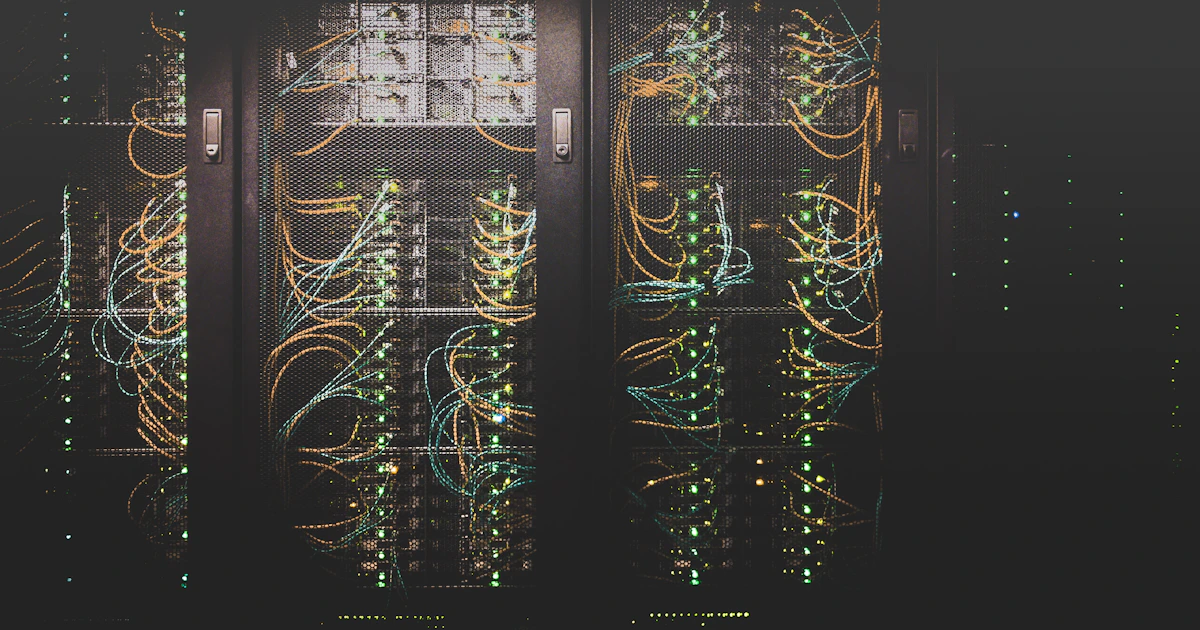
The scale of AI spending is hard to picture. The biggest cloud companies are expected to spend more than 600 billion dollars building AI data centers this year alone, up around 40 percent from last year. Microsoft by itself raised its 2026 budget to roughly 190 billion dollars, and said about 25 billion of that increase came purely from rising memory and storage prices.
When buyers that large are competing for the same chips that go into your devices, ordinary shoppers end up at the back of the line. That is the simple reason a gaming PC, a work laptop, or a new phone now costs more than it did a year ago.
Memory pricing and capex timeline: https://sourceability.com/post/tracking-memory-price-increases-across-the-last-several-quarters
|
|
Section 04
Why This One Is Different
|
|
|
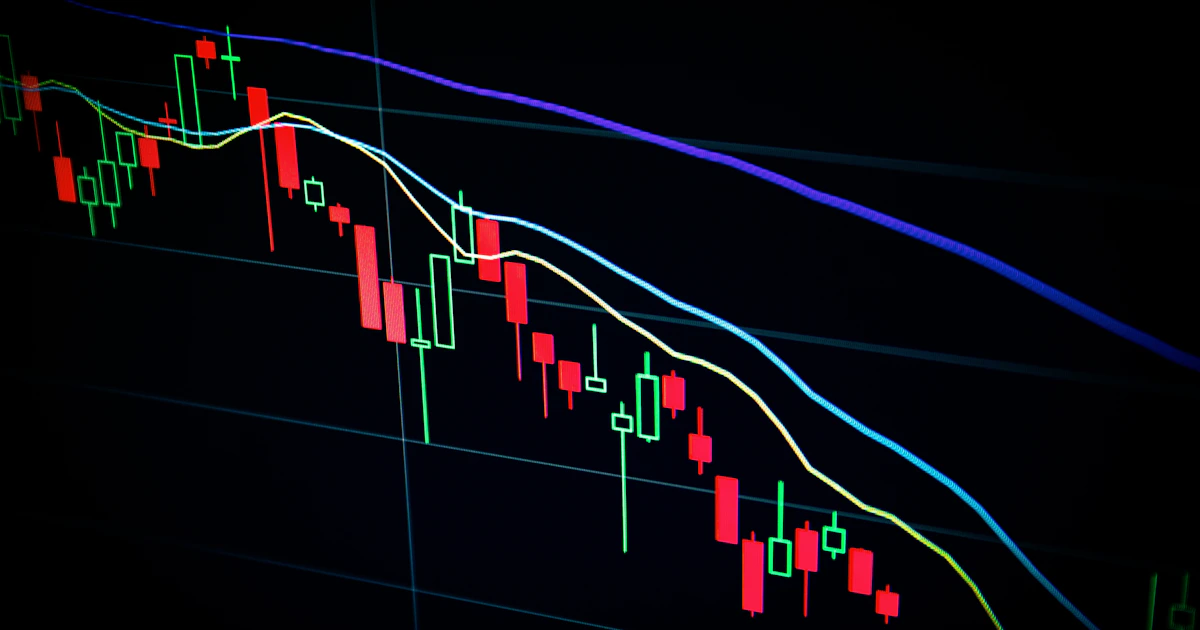
Memory prices have always gone up and down in cycles. When prices spiked before, chipmakers built more factories, supply caught up, and prices fell again. This time is different because the squeeze is a deliberate choice to make the more profitable AI memory, not a temporary mismatch. That is why analysts expect the tightness to last into late 2027, and some warn the cheapest entry-level PCs could nearly vanish by 2028.
Even Apple is not immune. As its long-term supply deals expire, reports suggest memory makers plan to raise prices, which could affect future iPhones and MacBooks. One more thing to watch as a shopper: with prices this high, fake and mislabeled memory has started appearing, so stick to trusted sellers.
Analyst forecasts and the memflation outlook: https://www.techtimes.com/articles/317872/20260605/ram-prices-2026-buy-now-wait-gartner-forecasts-130-memory-cost-surge.htm
|
|
The Takeaway
What This Means For You
| 01 |
First, sooner beats later. If you were already planning to buy or upgrade a PC, laptop, or phone, prices are trending up, not down. Waiting for a better deal may cost you more, not less, over the next year or two.
|
| 02 |
Second, read the spec sheet. To hold a price point, makers may quietly put less memory and storage in entry-level models. A device that looks like the same price as last year might actually give you less, so check the numbers before you buy.
|
| 03 |
Third, this is the hidden cost of AI. The same chips powering AI are the ones in your gadgets. For the first time, the AI boom is showing up plainly on everyday receipts, and that connection is only going to get more visible.
|
|
|
We will keep tracking this and bring you the next chapter as it lands. Stay sharp out there.
|
|
Images are royalty-free from Unsplash. If any image fails to load, search the relevant term (circuit board, computer chip, data center, technology) in beehiiv's built-in image library. Unsplash has no branded product shots, so for actual memory or device imagery, use the company's official press kit.
TECH DAILY // www.techdailynews.org
|
|


