DAILY TECH BRIEFING // THURSDAY 07.02.2026
Tech Daily
Your daily briefing on the stories that actually matter.
TODAY'S HEADLINE: The seven tech giants that carried the stock market for years just lost 2.3 trillion dollars in a single month.
For years, seven companies, nicknamed the "Magnificent 7," have powered much of the stock market's gains. In June, roughly 2.3 trillion dollars evaporated from their combined value, one of the roughest months the group has had. The reason is not that AI stopped working. It is that investors are finally asking a blunt question: all this money being poured into AI, when does it actually pay off? Here is what happened and why it matters, even if you do not own a single tech stock.
SECTION 01 // What actually happened
A Rough Month for the Giants
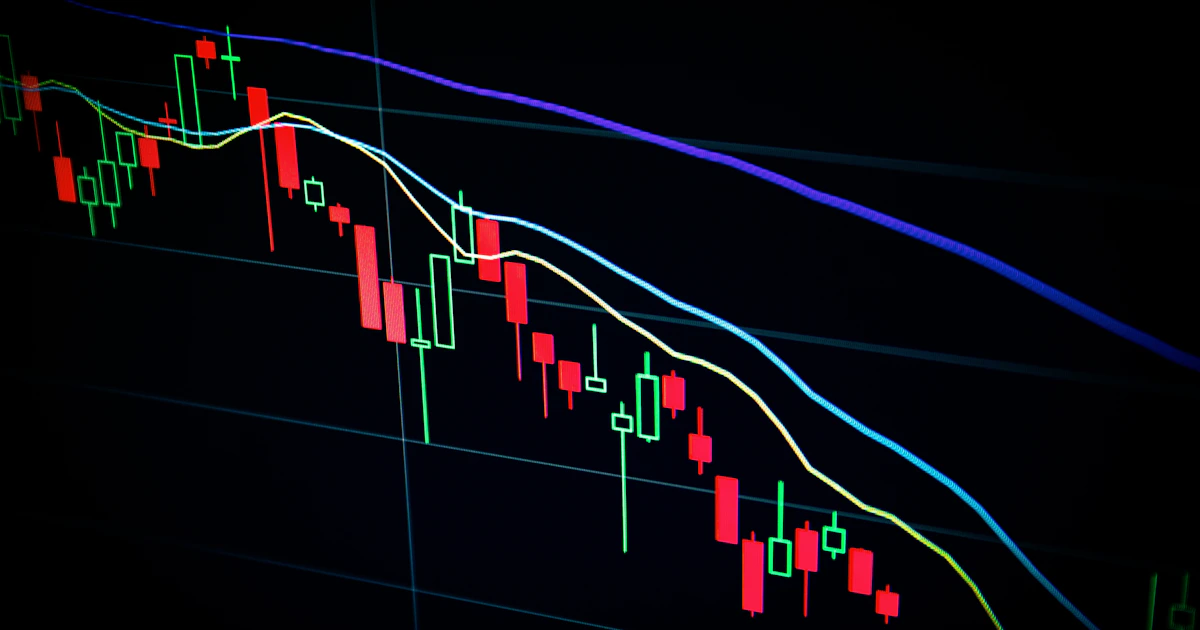
The Magnificent 7, Microsoft, Nvidia, Alphabet, Apple, Meta, Tesla, and Amazon, saw their index fall about 10 percent in June, wiping out roughly 2.3 trillion dollars. The pain was uneven. Microsoft dropped around 20 percent, Nvidia about 13 percent, and both Apple and Amazon fell roughly 8 percent.
To put 2.3 trillion dollars in perspective, that is larger than the entire economy of many countries, gone from just seven companies in about four weeks. After years of these names only going up, the sudden reversal caught a lot of attention and rattled confidence across the market.
CNBC report: https://www.cnbc.com/2026/06/30/magnificent-7-stocks-sell-off-investors-grow-jittery-on-ai-spending.html
SECTION 02 // Why it is happening
The Spending Question

The core worry is the sheer scale of AI spending. Amazon, Microsoft, Alphabet, and Meta are collectively pouring hundreds of billions of dollars into chips and data centers, with industry-wide AI capital spending on track to top 700 billion dollars in 2026, up about 70 percent from the year before. Some of it is funded by debt.
That has changed how investors see these companies. As one analyst put it, they went from "asset-light" businesses that gushed cash to more "balance-sheet intensive" ones spending heavily to build. Free cash flow, the money left after expenses, is projected to drop sharply. Investors are now waiting for proof that the spending turns into real profit.
On the spending: https://qz.com/magnificent-seven-stocks-trillion-loss-ai-spending-063026
SECTION 03 // The twist
Chipmakers Are Booming

Here is the fascinating part: while the giants fell, the companies that sell them AI hardware soared. The main semiconductor index rose about 6 percent in June and is up more than 90 percent this year, even as the Mag 7 slipped. Investors are backing the suppliers over the buyers.
The logic is simple. When everyone rushes to build AI, the sellers of the essential picks and shovels, chips and memory, make money no matter which giant "wins." Chip shortages and high memory prices give those suppliers pricing power. And blowout earnings from memory-maker Micron recently offered hard evidence that AI demand is still very much alive.
Chip rally: https://finance.yahoo.com/technology/ai/articles/magnificent-seven-shed-2-3-130024670.html
SECTION 04 // Why it matters now
A Reckoning, Not a Collapse

Most analysts frame this as a "gut check," not a crash. The AI story is intact; the market is simply demanding results, not just ambition. The big test comes next month, when these companies report second-quarter earnings and investors look for signs the spending is starting to pay off.
Because these seven stocks are such a huge part of index funds, this matters even if you never bought them directly. Many retirement and savings accounts hold them through the S&P 500. The likely theme ahead is more scrutiny and more turbulence as Wall Street sorts out which giants truly capture the AI upside and which are just paying for it.
The reckoning: https://247wallst.com/investing/2026/06/30/magnificent-seven-value-drops-2-3-trillion-in-june/

THE TAKEAWAY
What This Means For You
First, you may own these stocks without knowing it. The Mag 7 make up a big slice of most index funds. A rough month for them can show up in your retirement account, so it is worth understanding what is driving the swings.
Second, spending is not the same as profit. The market is learning to separate companies that spend big on AI from those that actually earn from it. That is a healthy question to ask about any AI hype you encounter, corporate or otherwise.
Third, watch July earnings. The next round of company results will be a major clue on whether the AI buildout is paying off. It is a better signal than any single dramatic day in the market.
FAQ // Quick answers
Frequently Asked Questions
What are the Magnificent 7 stocks?
The Magnificent 7 are seven of the most valuable US technology companies: Microsoft, Nvidia, Alphabet (Google), Apple, Meta, Tesla, and Amazon. They have driven a large share of the stock market's gains in recent years, largely on their AI growth stories.
Why did they lose $2.3 trillion in June?
Investors grew worried about the enormous sums these companies are spending on AI infrastructure, chips and data centers, some of it funded by debt, without yet seeing clear returns. That scrutiny drove the group's index down about 10 percent for the month.
Why are chip stocks rising while the Mag 7 fall?
Investors are favoring the suppliers of AI hardware over the buyers. Chipmakers and memory suppliers benefit from shortages and high prices regardless of which tech giant wins, so the main semiconductor index rose even as the Mag 7 declined.
Is this the start of an AI crash?
Most analysts describe it as a "gut check" rather than a collapse, noting the AI story remains intact and pointing to strong recent chip earnings. The market is demanding proof of returns, with second-quarter earnings in July seen as the key test.
Does this affect ordinary investors?
Yes, indirectly. The Magnificent 7 are a large part of major index funds like the S&P 500, so many retirement and savings accounts are exposed to their moves even if you never bought the stocks individually. This is general information, not investment advice.
We will keep tracking this and bring you the next chapter as it lands. Stay sharp out there.
This newsletter is for general information only and is not investment advice. Always do your own research before making financial decisions.
TECH DAILY // www.techdailynews.org