|
Daily Tech Briefing // Sunday 06.14.2026
Tech Daily.
Your daily briefing on the stories that actually matter.
|
|
TODAY'S HEADLINE: Humanoid robots just crossed the line from demo videos to a real assembly line.
|
|
For years, humanoid robots have been a highlight reel: a backflip here, a slick dance there, always in a controlled demo. That era is quietly ending. A California company called Figure now builds a complete humanoid robot once every hour, on a real production line, with the same kind of quality checks a car factory uses. The machine is not the only news. The bigger story is that the robots finally got a brain smart enough to be useful, and an entire industry is racing to put them to work. Here is what happened and why it matters.
|
Section 01
One Robot Every Hour
|

|
|
Figure, a robotics company led by Brett Adcock, announced that its factory, nicknamed BotQ, went from building one robot per day to one per hour. That is a 24 times jump in output, and the team pulled it off in under 120 days. The company says it has already delivered more than 350 of its third-generation robot, the Figure 03, and is on track to assemble around 55 of them in a single week.
What makes this more than a press release is how it was done. BotQ runs over 150 connected workstations, custom factory software, and more than 50 inspection points along the line. The result is a first-pass quality rate above 80 percent, which is the kind of number you expect from mature manufacturing, not a science project.
Figure's production update: https://www.figure.ai/news/ramping-figure-03-production
Interesting Engineering on the ramp: https://interestingengineering.com/ai-robotics/figure-humanoid-robot-production-scale-up
|
|
Section 02
The Brain Finally Caught Up
|

|
|
Building the body was never the hardest part. The breakthrough is the software. Older robots could only repeat strict, pre-programmed movements. The new generation runs on what the industry calls vision-language-action models, which is a fancy way of saying the robot can look at the world, understand a plain-language instruction, and figure out how to move on its own.
Figure showed this off with a system that lets the robot walk up stairs, ramps, and uneven ground it has never seen before, using only its onboard cameras and no special programming for each surface. That ability to handle the messy, unpredictable real world is exactly what kept robots stuck in the lab for decades.
The AI Insider on the new model: https://theaiinsider.tech/2026/05/01/figure-ai-ramps-up-production-to-one-humanoid-robot-per-hour/
|
|
Section 03
This Is a Whole Field, Not One Company
|
|
|
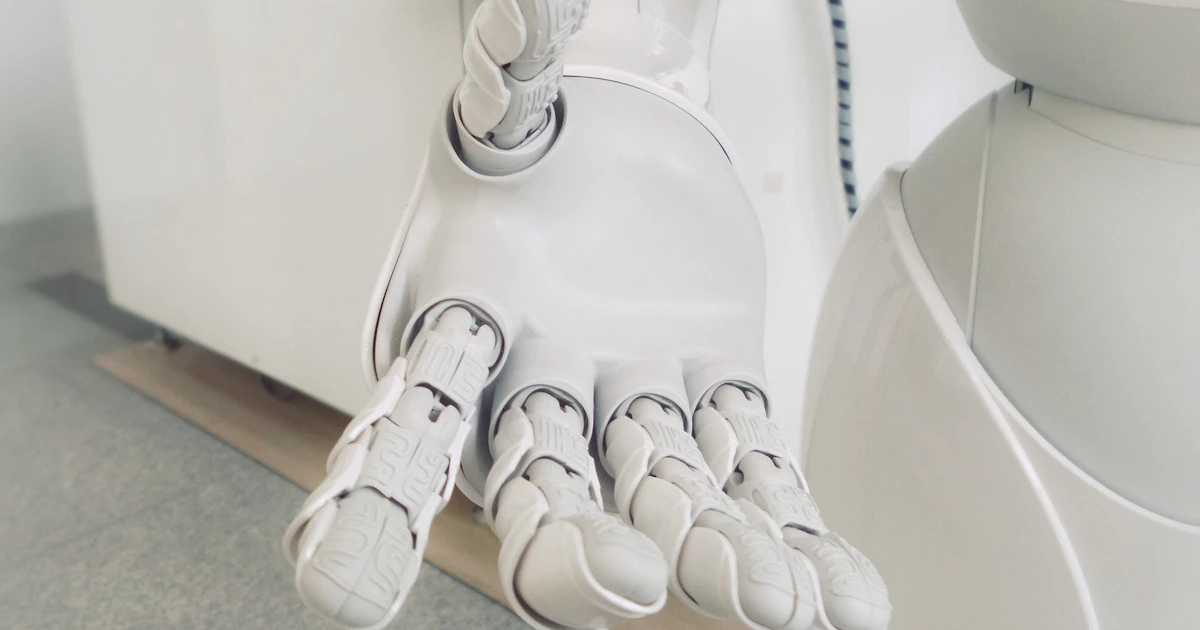
Figure is the headline, but the race is crowded. Boston Dynamics, now owned by Hyundai, has its electric Atlas robot in production, with its entire 2026 output committed to Hyundai factories and a partnership with Google DeepMind for the AI. Tesla continues to push its Optimus robot, and Agility Robotics has placed its Digit robot on a Toyota assembly floor in Canada.
China is moving fast and cheap. Unitree sells a compact humanoid for around 16,000 dollars, and Chinese robotics startups pulled in roughly 7 billion dollars of investment in just nine months last year, more than triple the year before. The competition is no longer about who has the flashiest demo. It is about who can build reliable robots at a price businesses will actually pay.
Field roundup on Atlas and Unitree: https://keyirobot.com/blogs/insights/humanoid-robot-updates-2026-latest-news-breakthroughs-and-industry-trends
|
|
Section 04
The Money and the Reality Check
|

|
|
Investors are paying attention. Figure has been valued at around 39 billion dollars, and analysts expect the broader humanoid market to grow from under 2 billion dollars a few years ago to well over 13 billion by 2028. The dream is a robot that costs about as much as a car, near 20,000 dollars, and can take on dull or dangerous jobs.
Now the honest part. Building robots quickly is not the same as having robots that work reliably all day, every day, in a real workplace. Most deployments are still early pilots, home versions are not on sale yet, and the gap between an impressive demo and a dependable worker is still real. The technology has crossed a line, but it has not finished the race.
Market sizing and valuation context: https://kraneshares.com/humanoid-robotics-in-2026-the-race-from-pilot-to-platform/
|
|

The Takeaway
What This Means For You
| 01 |
First, the demo era is over. When you see a robot video now, the real question is not whether it can move, but whether the company can build thousands of them that work. Production rate is the new headline to watch.
|
| 02 |
Second, this lands in workplaces first. The earliest jobs are in factories and warehouses, not living rooms. If you work in or around those industries, robots as coworkers is shifting from a someday idea to a this-decade plan.
|
| 03 |
Third, price is the real battleground. Whether these robots stay niche or go mainstream comes down to cost. The race toward a 20,000 dollar machine is the number that decides how soon any of this touches everyday life.
|
|
|
We will keep tracking this and bring you the next chapter as it lands. Stay sharp out there.
|
|
Images are royalty-free from Unsplash. If any image fails to load, search the relevant term (robot, robotics, automation, technology) in beehiiv's built-in image library. Unsplash has no branded product shots, so for actual Figure 03 or Atlas imagery, use the company's official press kit.
TECH DAILY // www.techdailynews.org
|
|


