In partnership with

Your Docs Deserve Better Than You
Mintlify built something clever: swap "github.com" with "mintlify.com" in any public repo URL and get a fully structured, branded documentation site.
Under the hood, AI agents study your codebase before writing a single word. They scrape your README, pull brand colors, analyze your API surface, and build a structural plan first. The result? Docs that actually make sense, not the rambling, contradictory mess most AI generators spit out.
Parallel subagents then write each section simultaneously, slashing generation time nearly in half. A final validation sweep catches broken links and loose ends before you ever see it.
What used to take weeks of painful blank-page staring is now a few minutes of editing something that already exists.
Try it on any open-source project you love. You might be surprised how close to ready it already is.
Tech Daily: The AI Spending Hangover Daily Tech Briefing // Friday 06.19.2026 Tech Daily. Your daily briefing on the stories that actually matter. | TODAY'S HEADLINE: Silicon Valley told everyone to use more AI. Then the bill arrived. | For months, the hottest trend in tech had an awkward name: "tokenmaxxing." Bosses urged staff to push AI usage as far as it would go, some even ran internal leaderboards crowning whoever burned the most. Then the invoices landed. Now companies like Uber, Microsoft, Amazon, and Meta are quietly pumping the brakes and asking a much harder question: is all this AI spending actually worth it? Here is what happened and why it matters far beyond Silicon Valley. | Section 01What Tokenmaxxing Was |  | "Tokens" are the units AI tools bill by, roughly the chunks of text a model reads and writes. Tokenmaxxing was the push to rack up as many as possible, on the theory that more AI use meant more productivity. Earlier this year, CEOs leaned into it hard, and some companies gamified it with leaderboards ranking teams or individuals by total AI usage. Meta built an internal leaderboard that crowned heavy users with "Token Legend" status. Amazon ran a similar internal ranking. The message from the top was simple: use more, always. For a while, usage soared exactly as intended. The trend and the turn: https://techcrunch.com/podcast/neas-tiffany-luck-on-ai-ipos-personal-agents-and-the-roi-reckoning/ |
| Section 02Then the Bill Came Due |  | Reality hit fast. Uber reportedly burned through its entire 2026 AI coding-tools budget in about four months, after using a leaderboard to push adoption. One unnamed company reportedly spent 500 million dollars on AI in a single month after failing to set usage limits. The costs that looked small per query added up at staggering scale. So the pullback began. Amazon shut down its internal usage leaderboard, with a blunt message to staff: do not use AI just to use AI. Meta quietly took down the leaderboard it had built to encourage more usage. Microsoft reportedly started canceling many internal Claude Code licenses in part of its org, citing cost. What changed at each company: https://theoutpost.ai/news-story/uber-president-says-ai-spending-is-getting-harder-to-justify-as-returns-remain-unclear-26616/ |
| Section 03The Awkward Question: Where Is the Payoff? |  | The deeper problem is not the size of the bill, it is the difficulty of proving it paid off. Uber's own president and operating chief said the company could not yet draw a clear line between rising AI usage and meaningful new features for riders. "That link is not there yet," he said. The numbers back up the unease. By one survey, only about 14 percent of finance chiefs say they can see clear, measurable returns on their AI spending. A lot of what AI coding tools produce still needs to be reviewed, fixed, or rewritten before it ships, an overhead that rarely showed up in the original budget. On the ROI gap: https://www.arthur.ai/blog/govern-ai-token-spend |
| Section 04Why This Matters Now | 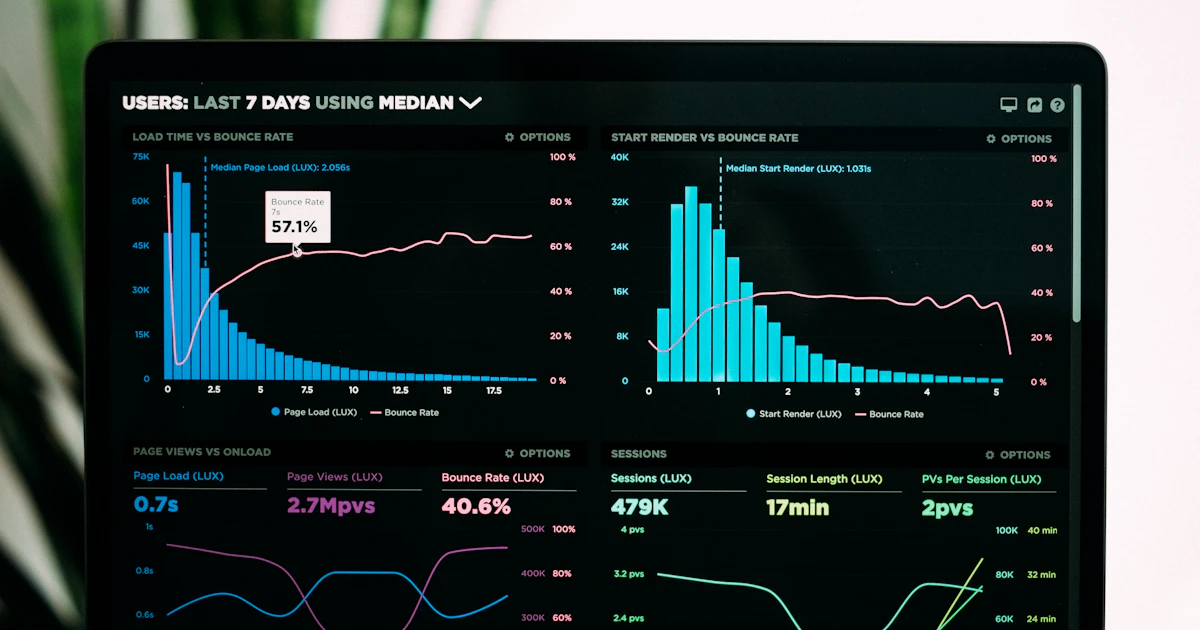 | The timing stings because AI pricing is moving toward usage-based billing, where your costs rise directly with how much you use. GitHub Copilot shifted toward token-based pricing, and some developers watched their bills jump overnight. Anthropic has likewise moved Claude Code toward charging for heavier usage. When the meter runs faster, undisciplined use gets expensive quickly. None of this means AI is a bust. The lesson leaders are drawing is narrower: usage for its own sake is not a strategy. The companies coming out ahead are the ones adding guardrails, tracking where the money goes, and tying spend to real outcomes rather than to a leaderboard score. Usage-based pricing context: https://finance.yahoo.com/technology/ai/articles/nea-tiffany-luck-says-enterprises-201738309.html |
|  The Takeaway What This Means For You| 01 | First, "use more AI" was never a plan. Even giants learned that rewarding raw usage burns cash without guaranteeing results. If your workplace is pushing AI, the useful question is what specific task it improves, not how much you use it. |
| 02 | Second, watch for usage-based pricing. As AI tools shift to billing by consumption, costs can climb fast. Whether it is a work tool or a personal subscription, it is worth knowing how you are charged before the bill surprises you. |
| 03 | Third, the hype is maturing, not dying. This is the normal part of a tech cycle where excitement meets the spreadsheet. AI is not going away, but the era of spending without measuring is. Expect a sharper focus on what actually works. |
| We will keep tracking this and bring you the next chapter as it lands. Stay sharp out there. This newsletter is for general information only and is not investment advice. Always do your own research before making financial decisions. | Images are royalty-free from Unsplash. If any image fails to load, search the relevant term (budget, receipts, dashboard, finance) in beehiiv's built-in image library. Unsplash has no branded product shots, so for actual company or product imagery, use the company's official press kit. TECH DAILY // www.techdailynews.org |
|
Wispr Flow sits at the system level — no plugins, no extensions, no setup per app. Speak your prompts anywhere you type and get clean, paste-ready text. 4x faster than typing. Start flowing free.
Zainith Agency is a boutique digital marketing agency exclusively focused on TikTok Shop.
They’ve worked with brands like Momofuku, Obvi, First Day, and more.
