
DAILY TECH BRIEFING // FRIDAY 10.09.2026
Tech Daily
Your daily briefing on the stories that actually matter.
TODAY'S HEADLINE: The AI boom used to be paid for with cash. Now it is being paid for with borrowed money, and the bond market just started to worry.
For two years, the giants building artificial intelligence funded it mostly out of their enormous profits. That era is ending. In a single week, SpaceX, Broadcom, and Oracle have lined up more than 150 billion dollars in new debt to buy AI chips and build data centers, part of nearly half a trillion dollars in AI borrowing this year. This week, investors began charging sharply more to insure that debt against default. Here is what is happening and why it matters even if you never buy a bond.
SECTION 01 // What actually happened
A Week of Giant Loans
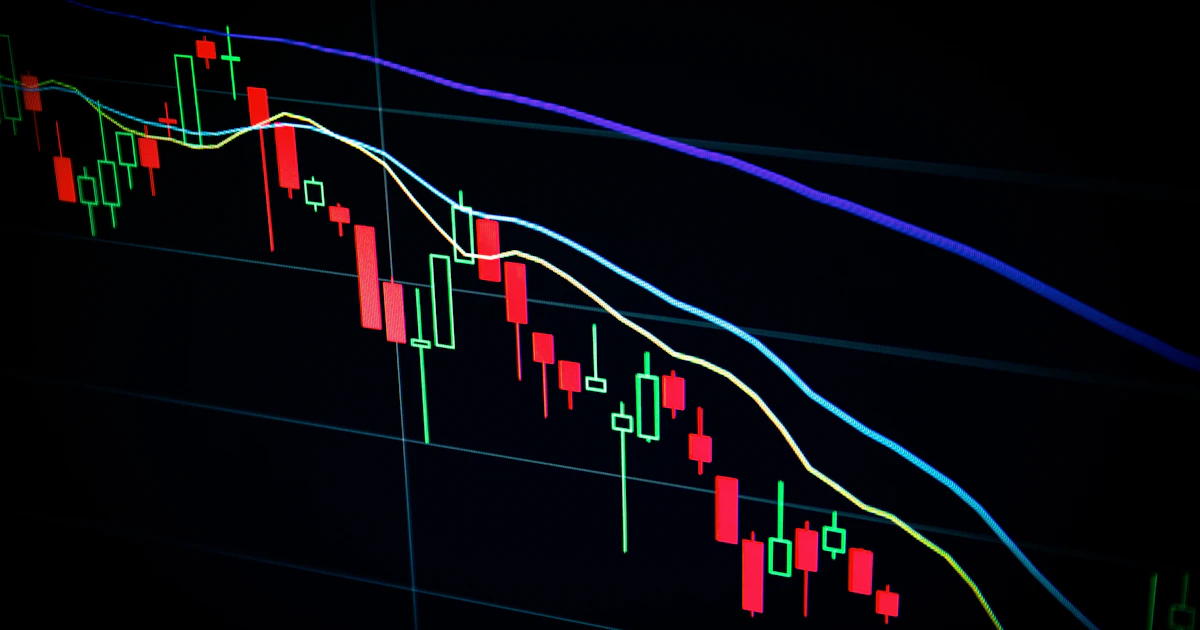
In the span of a few days, three of the biggest names in tech went looking for enormous loans. SpaceX is seeking about 40 billion dollars, 10 billion in bank loans and 30 billion in bonds, to buy Nvidia chips. Broadcom is arranging more than 50 billion to finance a custom AI chip it is building with OpenAI, codenamed Nexus. Oracle is working on a deal to get computing power without putting the debt on its own books.
Those come on top of a separate 60 billion dollar Broadcom financing tied to Anthropic, the maker of the Claude chatbot. Add it up and the AI industry queued up more than 150 billion dollars of chip debt in roughly a week, with private investment firms like Apollo and Blackstone, not just banks, stepping in to supply the money.
The deals: https://finance.yahoo.com/technology/ai/articles/broadcom-oracle-spacex-pursue-blockbuster-215828392.html
SECTION 02 // Why borrow instead of pay
Why Debt, and Why Now

The simple reason is that the bills have gotten too big to pay from cash. AI spending by the major tech firms is expected to top one trillion dollars across 2025 and 2026. Borrowing lets companies expand fast without selling new shares and diluting existing owners, and AI developers increasingly want to own their hardware rather than rent it from cloud providers forever.
The scale of the shift is striking. AI-related borrowing in one slice of the US loan market jumped from about 20 billion dollars in early 2025 to 88 billion in 2026, and total AI-related bond sales this year are estimated around 489 billion dollars, already more than all of last year. The public bond market is so full that companies are turning to private lenders to absorb the rest.
Borrowing math: https://247wallst.com/investing/2026/10/08/spacex-broadcom-and-oracle-all-want-billions-in-ai-chip-debt-at-the-same-time/
SECTION 03 // The warning sign
The Bond Market Flinches

This week the cost of insuring that debt against default spiked. The price to protect against an Oracle default jumped to levels implying more than a one-in-five chance of it happening over five years, and the equivalent cost for Broadcom hit a record. Even SpaceX, fresh off a record-breaking stock listing, saw its default-insurance cost climb to new highs.
That is the market's way of saying the risk looks heavier than it did a month ago. Tech has become one of the worst-performing corners of the corporate debt market lately, and trading in these securities has jumped as investors rush to reprice how risky the AI buildout really is. The borrowing is landing in bond funds and pension savings around the world.
Credit stress: https://cryptobriefing.com/ai-financing-debt-rattles-tech-credit/
SECTION 04 // Why it matters now
The Circular Money Problem

One detail makes analysts especially uneasy. SpaceX is borrowing roughly 40 billion dollars to buy chips from Nvidia, and Nvidia is itself an investor in SpaceX. When the same companies are lending, buying, and investing in a tight circle, a stumble by one can ripple to the others, and the debt often outlasts the chips it paid for. SpaceX's bonds, for instance, average nearly 12 years to maturity, while AI hardware ages in a few.
None of this means a crash is coming. Borrowing to build real, revenue-generating infrastructure can be perfectly sound. But the AI story has quietly changed from "profitable giants spending their own money" to "an industry increasingly running on credit." That is a different, and riskier, kind of boom, and it is now tied to the broader financial system in a way it was not before.
The bigger picture: https://www.bloomberg.com/news/articles/2026-10-08/ai-debt-spree-hammers-tech-debt-as-traders-rush-to-reprice-risk

THE TAKEAWAY
What This Means For You
First, you may hold this debt already. AI bonds are landing in bond funds and pension portfolios worldwide. If you have retirement savings, some of this borrowing may quietly sit in your accounts, so it is worth understanding rather than ignoring.
Second, debt changes the risk. Spending your own profits and borrowing to spend are not the same. Debt must be repaid on a schedule no matter how the bet turns out, which makes a debt-funded boom more fragile than a cash-funded one.
Third, watch the insurance cost, not the hype. The price investors pay to insure against default is a cleaner signal than headlines. When it spikes across an entire sector at once, as it just did, it is telling you something real about perceived risk.
FAQ // Quick answers
Frequently Asked Questions
Why are AI companies taking on so much debt?
AI spending by major tech firms is expected to exceed one trillion dollars across 2025 and 2026, too much to fund from cash alone. Borrowing lets them expand quickly without issuing new shares, and many AI developers want to own their chips and data centers rather than renting cloud capacity indefinitely.
How much AI-related debt has been raised in 2026?
Estimates put AI-related bond sales around 489 billion dollars so far in 2026, already more than all of 2025, with some broader estimates of global AI debt issuance above 575 billion. In one week alone, SpaceX, Broadcom, and Oracle lined up more than 150 billion dollars.
What does rising credit-default-swap pricing mean?
A credit-default swap is essentially insurance against a borrower failing to repay. When its price rises, investors are paying more for that protection, signaling they see higher default risk. This week, that cost hit records for Broadcom and spiked for Oracle and SpaceX.
Why is the circular financing a concern?
Some deals involve the same companies as lender, supplier, and investor. SpaceX is borrowing to buy chips from Nvidia, which is also a SpaceX shareholder. Tight financial loops like this can amplify trouble, because a problem at one company can spread quickly to the others.
Does this mean an AI crash is coming?
Not necessarily. Borrowing to build revenue-generating infrastructure can be sound, and these are large, established companies. The concern is that a debt-funded boom is more fragile than a cash-funded one and is now more tightly linked to the broader financial system. This is general information, not investment advice.
We will keep tracking this and bring you the next chapter as it lands. Stay sharp out there.
This newsletter is for general information only and is not investment advice. Always do your own research before making financial decisions.
TECH DAILY // www.techdailynews.org