In partnership with

DAILY TECH BRIEFING // SATURDAY 07.04.2026
Tech Daily
Your daily briefing on the stories that actually matter.
TODAY'S HEADLINE: Tesla just sold more cars in three months than ever before for a spring quarter. Its stock dropped anyway.
On paper, Tesla had a great quarter. It delivered a record 480,126 vehicles from April through June, up about 25 percent from a year earlier, crushing Wall Street's expectations and finally ending a two-year slump in sales. And yet the stock fell roughly 7 percent on the news. That strange disconnect, great numbers, falling shares, tells you almost everything about what investors now think Tesla actually is. Here is what happened and why it matters.
What's changing in global hiring?

Global hiring is changing fast. From AI's impact on HR to evolving compliance requirements and international expansion strategies, the rules are constantly shifting.
Oyster's events bring together HR leaders, founders, operators, and global employment experts to discuss what's working now—and what's coming next.
Whether you're hiring internationally today or planning for tomorrow, you'll walk away with practical insights you can actually use.
SECTION 01 // What actually happened
A Record-Breaking Quarter

Tesla delivered 480,126 vehicles in the second quarter, its strongest spring quarter ever and about 74,000 more than analysts expected. It was a 25 percent jump from a year earlier and, importantly, ended two straight years of annual delivery declines. Most of the cars, over 467,000, were the mass-market Model 3 and Model Y.
The rebound was powered largely by Europe, where sales bounced back after a rough stretch. Higher gas prices, government EV incentives, faster fleet electrification, and an easing of the consumer backlash tied to CEO Elon Musk's politics all helped. Demand in the US and China also showed signs of stabilizing.
Delivery numbers: https://electrek.co/2026/07/02/tesla-q2-2026-deliveries-480126/
SECTION 02 // The puzzle
So Why Did the Stock Fall?

The drop comes down to two things. First, "buy the rumor, sell the fact": investors had already pushed the stock up about 12 percent earlier in the week expecting good numbers, so when the good numbers arrived, some cashed out. That is a common market pattern and not necessarily a sign of trouble.
The deeper reason is that car sales are no longer what really drives Tesla's stock. At a valuation around 1.6 trillion dollars, Tesla is priced less like a carmaker and more like an AI and robotics company. A strong delivery number is nice, but it is not the story investors are buying anymore.
The stock reaction: https://finance.biggo.com/news/b52004d5-cf4c-4b29-8332-456ba2f27c53
SECTION 03 // The real story
It Is About Robots and Robotaxis Now
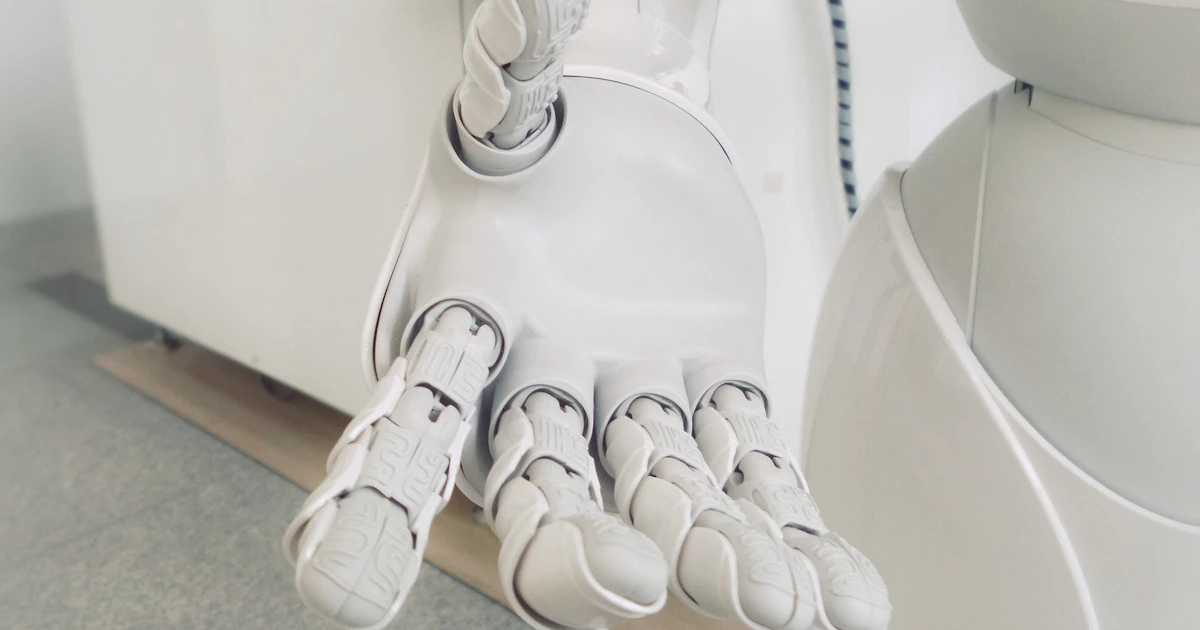
Tesla has openly repositioned itself as an AI company that happens to make cars. It launched a limited robotaxi service in Austin in June and plans to expand it through 2026, with production of the Cybercab, a car with no steering wheel or pedals, ramping later this year. Its Optimus humanoid robot is the other big bet.
The spending reflects that shift: Tesla expects to invest more than 25 billion dollars this year, nearly triple last year, on AI infrastructure, batteries, Cybercab, and robots. The company even discontinued its older Model S and Model X, narrowing its car lineup as it leans into the autonomous and robotics future.
Strategy shift: https://greentechlead.com/electric-vehicle/tesla-q2-2026-deliveries-surge-25-to-record-480126-vehicles-as-europe-drives-ev-recovery-54080
SECTION 04 // Why it matters now
Reality vs. the Dream

This sets up the central tension in Tesla's story. The car business is the reality, it pays the bills and just proved it can grow again. The robotaxi and robot business is the dream, the thing investors are betting will be huge but which is not yet a big, profitable reality. The stock swings on how that balance feels week to week.
The next big test is Tesla's full financial results on July 22, when investors will see whether record deliveries actually translated into profit, and get updates on Cybercab, Optimus, and robotaxis. Whether you drive a Tesla, own the stock, or just watch the company, this is the question that will define it: can the dream become the reality before impatience sets in?
What comes next: https://247wallst.com/investing/2026/07/02/tesla-delivers-480126-vehicles-in-q2-far-better-than-the-street-was-expecting/

THE TAKEAWAY
What This Means For You
First, a stock can fall on good news. Tesla's record quarter and falling share price is a perfect example of how markets price in expectations ahead of time. Good results that were already expected can still trigger a sell-off.
Second, know what a company is really valued on. Tesla trades on its AI and robot ambitions far more than its cars. When a company's price depends on future promises, the day-to-day story can detach from its current, real-world results.
Third, watch July 22. The full earnings report will show whether those record deliveries turned into actual profit, and give updates on robotaxis and Optimus. That is a more complete picture than the delivery number alone.
FAQ // Quick answers
Frequently Asked Questions
How many cars did Tesla deliver in Q2 2026?
Tesla delivered a record 480,126 vehicles in the second quarter of 2026, up about 25 percent year over year and roughly 74,000 above Wall Street's expectations. It was the company's strongest second quarter ever and ended two straight years of annual delivery declines.
Why did Tesla's stock drop despite record deliveries?
Two reasons. Investors had already bid the stock up about 12 percent earlier in the week, so many sold on the news in a classic "buy the rumor, sell the fact" move. More fundamentally, Tesla is now valued on its AI, robotaxi, and robotics ambitions rather than car sales, so a strong delivery number matters less than it once did.
What drove the delivery rebound?
Recovering demand in Europe was the biggest factor, helped by higher gas prices, EV incentives, corporate fleet electrification, and an easing of the consumer backlash over Elon Musk's politics. Demand in the US and China also showed signs of stabilizing.
Why is Tesla considered an AI company now?
Tesla has repositioned around autonomous driving and robotics. It launched a limited robotaxi service in Austin, plans to ramp its Cybercab, is developing the Optimus humanoid robot, and expects to spend more than 25 billion dollars in 2026, nearly triple the prior year, largely on AI and related infrastructure.
What should investors watch next?
Tesla's full second-quarter financial results on July 22, which will reveal whether record deliveries translated into profit and provide updates on automotive margins, Cybercab, Optimus, and the robotaxi rollout. This is general information, not investment advice.
We will keep tracking this and bring you the next chapter as it lands. Stay sharp out there.
This newsletter is for general information only and is not investment advice. Always do your own research before making financial decisions.
TECH DAILY // www.techdailynews.org
Hampton took $440K in planned hires off the calendar

Hampton co-founder Joe Speiser had three roles budgeted: a data engineer, an ops manager, a PM. $440K. He installed Viktor on April 12. Forty-four days later, none are on the calendar, and 18 of his team work with Viktor daily. His VP: we are editors now, not creators.