In partnership with

Fix that. Live. With Clay + HubSpot.
Defining your ICP on vibes is a pipeline killer. In Build Your GTM Alpha, Clay + HubSpot for Startups walk you through a live build. Real prospect list. Real enrichment. Real outreach sequence. You don't leave with a plan. You leave with outbound running. June 18. 11am ET / 4pm GMT.
Tech Daily: AI's Power Problem
|
Daily Tech Briefing // Tuesday 06.16.2026
Tech Daily.
Your daily briefing on the stories that actually matter.
|
|
TODAY'S HEADLINE: The thing slowing AI down is not chips or money. It is electricity.
|
|
For two years the AI race was about who had the best chips and the deepest pockets. A new bottleneck has overtaken both, and it is surprisingly old-fashioned: electricity. AI data centers are so power-hungry that they are straining the grid, stalling huge projects, and in some places nudging up the power bills of ordinary households. The story of AI in 2026 is quietly becoming a story about the electric grid. Here is what is happening and why it lands closer to home than you might think.
|
Section 01
The Real Bottleneck Is Power
|

|
|
Research firm Sightline Climate estimates that 30 to 50 percent of the AI data centers scheduled to open in 2026 will be delayed or cancelled. Out of about 16 gigawatts of capacity that was announced, only around 5 gigawatts is actually under construction. The reason is not a shortage of money or chips. It is the physical electrical equipment.
The big transformers that connect a data center to the grid now take three to five years to deliver, and a key component called switchgear is sold out through 2028. The tech giants plan to spend more than 650 billion dollars on AI infrastructure this year, but no amount of money can rush the physics of building out a power grid.
On the power-grid bottleneck: https://www.theaiconsultingnetwork.com/blog/ai-data-center-capacity-crisis-power-grid-cre-investors-2026
|
|
Section 02
Why AI Eats So Much Electricity
|
|
|
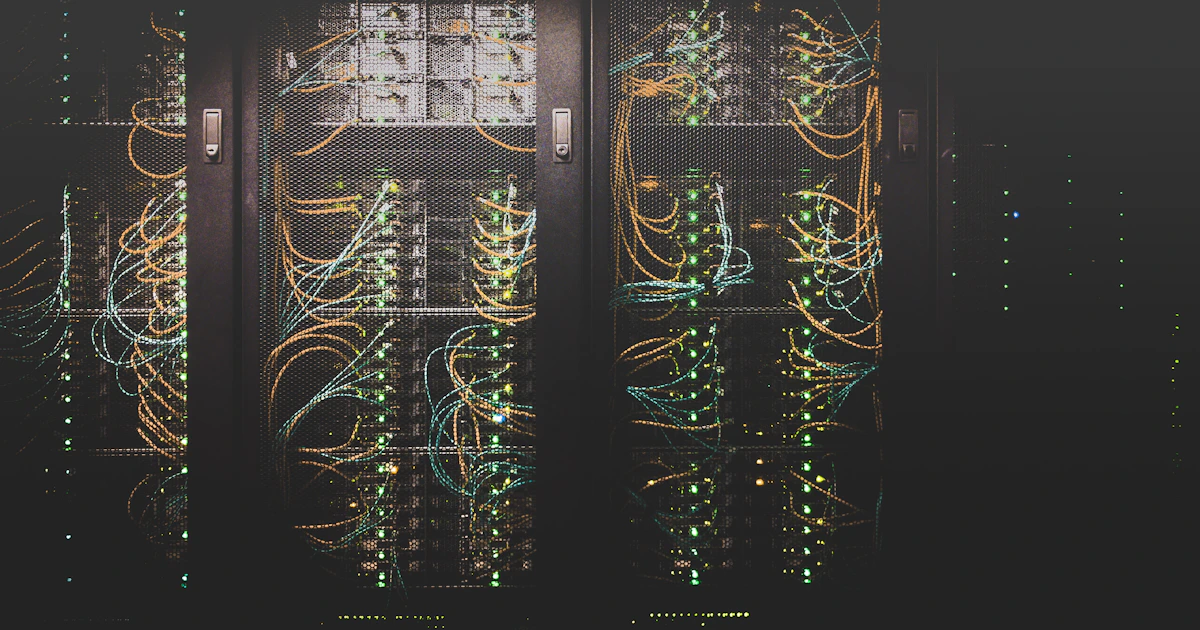
A single AI request can use up to roughly 1,000 times more electricity than a traditional web search. Multiply that by hundreds of millions of people using AI every day, and the demand becomes staggering. Global data center electricity use is projected to pass 1,000 terawatt-hours in 2026, which is on the order of the yearly electricity use of an entire large country.
Interestingly, the biggest power draw is no longer training the AI models. It is the everyday running of them for users, what the industry calls inference. And despite all the green pledges, more than 60 percent of the electricity feeding US data centers still comes from fossil fuels, because clean power simply is not being built fast enough to keep up.
Energy consumption breakdown: https://zestlab.io/en/trends/ai-data-center-energy-crisis-2026
|
|
Section 03
It Is Reaching Your Power Bill
|

|
|
In some regions, people are already feeling it. One Virginia homeowner reported his monthly electric bill jumping from around 100 dollars to 281 dollars in a single month. More broadly, retail electricity prices are up about 42 percent since 2019, outpacing general inflation over the same period.
It is worth being fair here, because experts disagree on how much data centers are really to blame. Some point more to the price of natural gas and to the way grids buy backup power, rather than to AI alone. But the strain is real: PJM, the largest US grid operator, which serves more than 65 million people, has warned it could fall about 6 gigawatts short of the power it needs to stay reliable by 2027.
Consumer impact reporting: https://www.consumerreports.org/data-centers/ai-data-centers-impact-on-electric-bills-water-and-more-a1040338678/
Grid reliability warning: https://www.commondreams.org/news/data-centers-electric-grid
|
|
Section 04
Communities Are Pushing Back
|

|
|
Local opposition has become a serious force. By one count, around 98 billion dollars of data center projects were blocked or delayed in just a few months of 2025, and cancellations roughly quadrupled over the year. Maine became the first state to pass a statewide pause on large data center construction, and about a dozen more states are considering similar limits.
In response, tech companies are chasing power wherever they can find it. They are signing deals for nuclear energy and small modular reactors, building their own on-site generation, and looking overseas. Microsoft, for example, committed 15.2 billion dollars to power-rich projects in the UAE. The race is no longer just for chips. It is for electrons.
Community pushback and the power pivot: https://enkiai.com/data-center/ai-data-center-grid-strain-power-halts-growth-in-2026/
|
|
The Takeaway
What This Means For You
| 01 |
First, keep an eye on your utility. If you live near a data center hub like Northern Virginia or parts of Texas, AI growth may show up as higher rates. Local rate decisions often go through public hearings, where residents do have a voice.
|
| 02 |
Second, AI is now an energy story. The speed of AI may be set less by clever software and more by power plants, transformers, and permits. When you read about an AI breakthrough, the quiet question underneath is always, where will the electricity come from.
|
| 03 |
Third, take the giant numbers with a grain of salt. Many of those headline-grabbing gigawatt projects will be delayed or never built. The real buildout is slower and messier than the announcements suggest, so treat splashy figures with healthy skepticism.
|
|
|
We will keep tracking this and bring you the next chapter as it lands. Stay sharp out there.
|
|
Images are royalty-free from Unsplash. If any image fails to load, search the relevant term (power lines, data center, solar, electricity) in beehiiv's built-in image library. Unsplash has no branded product shots, so for actual data center or facility imagery, use the company's official press kit.
TECH DAILY // www.techdailynews.org
|
|
No theory. No slides. Just pipeline.
Most founders know their product. Few know how to get it in front of the right people. In this hands-on session, Clay + HubSpot for Startups walk you through ICP definition, prospect list enrichment, and AI-personalized outreach. You launch your first sequence before the session ends. June 18. 11am ET / 4pm GMT.
No theory. No slides. Just pipeline.
Most founders know their product. Few know how to get it in front of the right people. In this hands-on session, Clay + HubSpot for Startups walk you through ICP definition, prospect list enrichment, and AI-personalized outreach. You launch your first sequence before the session ends. June 18. 11am ET / 4pm GMT.


